Pros & Cons of Licensed Moneylenders in Singapore You Must Know Before Borrowing
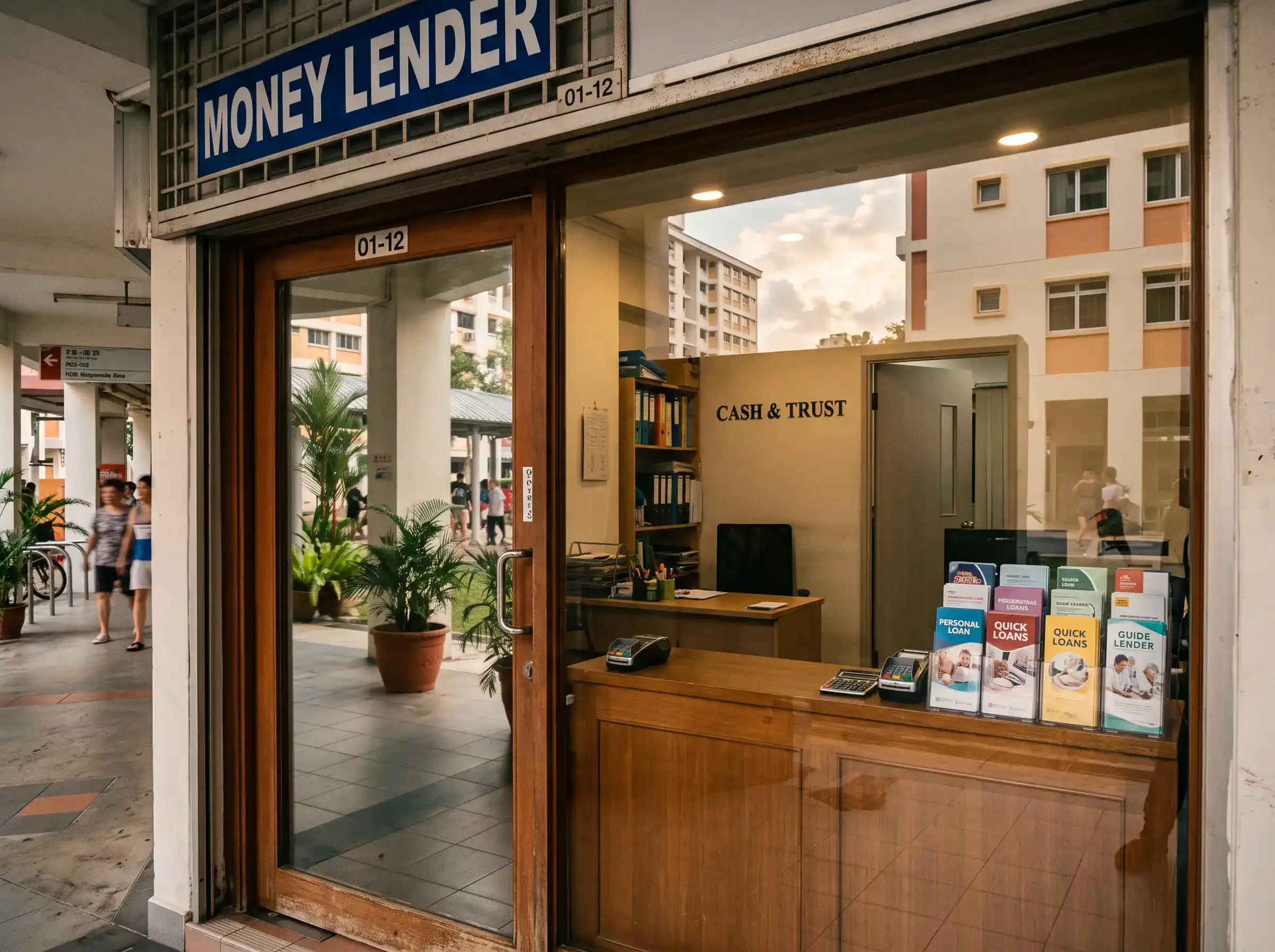
A licensed moneylender is a loan provider in Singapore regulated by the Ministry of Law under the Moneylenders Act. This means:
By contrast, unlicensed (illegal) moneylenders operate outside the law and expose borrowers to harassment and sky-high costs.
Licensed lenders must operate under the Moneylenders Act. That means borrowers have specific legal rights (clear contracts, capped interest, protection against harassment, right to lodge complaints). For borrowers who value clear legal remedies, licensed lenders are far safer than unlicensed operators.
A licensed moneylender in Singapore can approve and disburse small loans within hours or a day because their underwriting is simpler than banks'. This makes them suitable for urgent cash needs where speed outweighs price.
Licensed moneylenders typically accept applicants that banks decline, like those with non-standard incomes, recent credit blemishes, or short employment histories. For borrowers who cannot access bank credit, a licensed moneylender in Singapore can be a lawful fallback.
By law, loan terms must be disclosed in writing and must state the rate, fees, and repayment schedule. That transparency reduces the risk of hidden charges versus unregulated lenders. Still, borrowers must check all clauses and fees before signing.
While capped, licensed moneylender interest rates (up to 4% per month) are most of the time still higher compared to bank personal loans. That makes bank borrowing substantially cheaper if you can qualify.
Licensed moneylenders often structure loans to be repaid within months rather than years, which may strain cash flow.
Because moneylenders can lend quickly and to those with constrained credit options, there's a well-documented risk that borrowers take successive short loans (or borrow from multiple lenders) to cover earlier debts – a debt spiral. The Moneylenders Act is designed to limit abuse (caps and conduct rules), but borrower discipline and financial planning are essential.
A licensed moneylender may be a suitable loan provider in Singapore if:
However, you may want to avoid this option if:
Check the List of Licensed Moneylenders in Singapore: Use the official list to confirm the lender's exact registered name, licence status, and approved addresses – do not rely on screenshots of "licenses."
Insist on a written contract: The contract must show the interest rate, all fees (processing/administration), late interest, and the repayment schedule. If the lender refuses to give a full written breakdown, walk away.
Watch for prohibited solicitation: Licensed moneylenders are not allowed to solicit loans by cold SMS, WhatsApp, or social media; they must perform a face-to-face verification at an approved place of business before disbursing the loan. Offers that appear remote, instant, and solicitous are red flags.
Plan repayment and consider alternatives: Before borrowing, list alternatives: family, employer salary advance, bridging from bank overdraft, or authorised credit lines which might be cheaper. If you must use a moneylender, plan how you'll repay within the term without rollover.
Borrowing from a licensed moneylender in Singapore comes with clear pros and cons. On one hand, you benefit from speed, accessibility, and legal protections under the Moneylenders Act. On the other hand, higher interest rates and shorter repayment terms make careful planning essential. The key is knowing when such loans are appropriate, and when alternatives like bank financing may be more cost-effective.
At the end of the day, the best decision comes from being informed and comparing your options. If you're exploring financing solutions and want guidance that's transparent, compliant, and tailored to your needs, Tembusu Financial Services is here to help.
Get in touch with us today.
Tell us your situation. We'll come back within one business day with an indicative assessment.