Bridging loans in Singapore: what they are, when you need one, and how to get started

A bridging loan covers the cash gap between buying your next property and receiving proceeds from your last. Here is how they work in Singapore, what they cost, and where a private lender fits in when a bank does not.
If you are buying a new home before your current one has sold, or waiting on an en bloc payout that lands three months after you have to exercise an option, you are in the situation a bridging loan was built for. You need real money now, and you have real money coming later. The gap in the middle is what a bridging loan closes.
This guide walks through what bridging loans actually are in the Singapore context, when they make sense, what they cost, and how they differ between a bank and a licensed private lender like Tembusu. It is written for owner-occupiers upgrading between properties, investors juggling a portfolio, and business owners using property as collateral for something time-sensitive.
A bridging loan is short-term financing secured against property. It is designed to cover a temporary shortfall in cash — usually a matter of months — between when you need funds and when your own money arrives. The clue is in the name: it is a bridge across a timing gap, not a long-term mortgage.
Three things distinguish a bridging loan from an ordinary mortgage:
In Singapore, bridging loans are offered by banks and by MinLaw-licensed private lenders. The product looks similar on the surface but the underwriting, speed, and eligibility rules differ significantly.
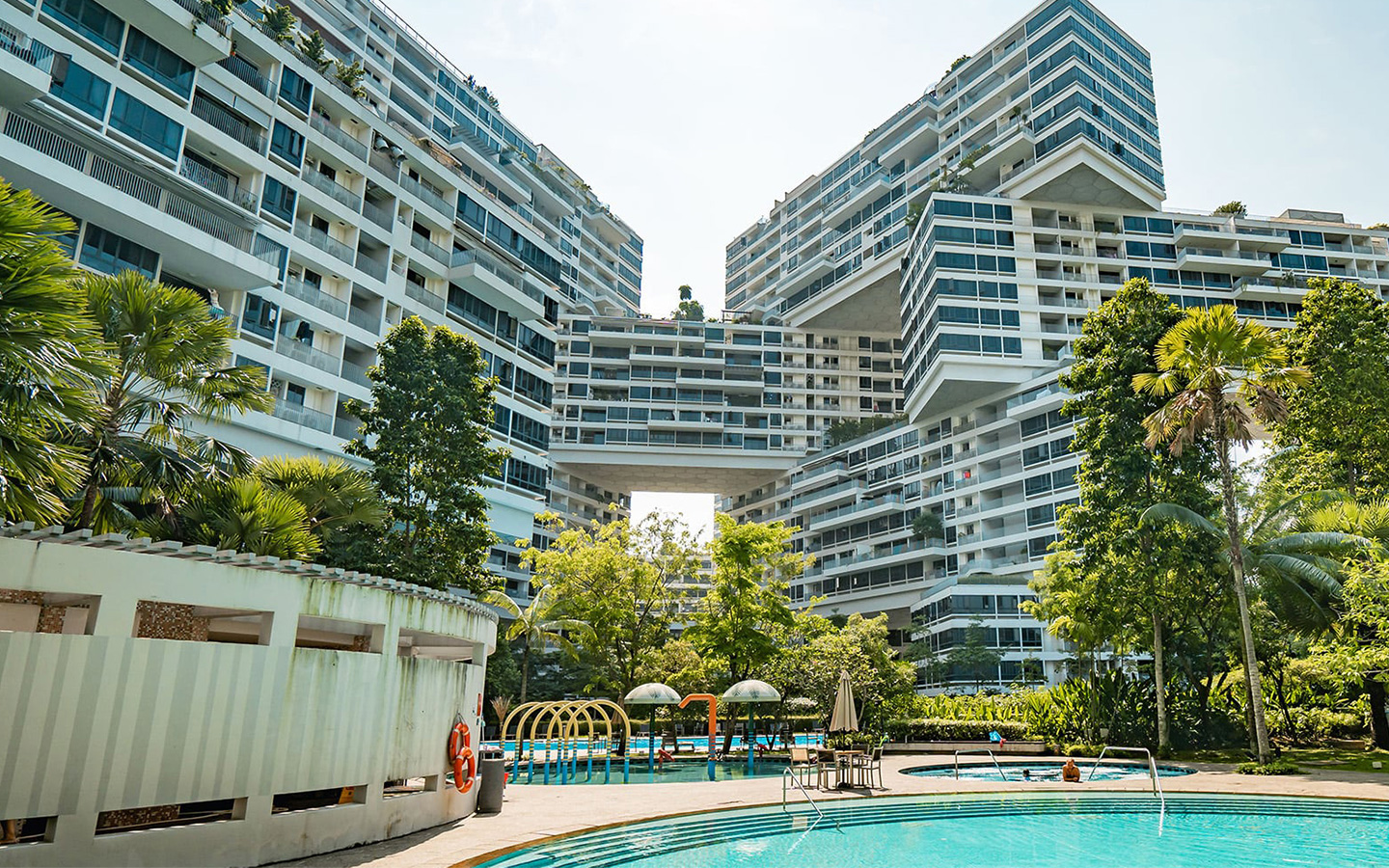
People come to us for bridging finance in a handful of recurring situations. If any of these sound like you, a bridging loan is worth exploring:
You have found the unit. The Option to Purchase expires in three weeks. Your existing flat or condo is under offer, but the buyer's completion is eight weeks out. You need the down payment for the new place before the money from the old one has landed. This is the textbook case.
Your condominium has gone en bloc. The Sale & Purchase Agreement is signed but the payout is scheduled six months later. In the meantime you still need somewhere to live. A bridging loan lets you buy your replacement home now.
The unit you want has appraised below the price you have agreed. The bank will only lend against the valuation figure, leaving you to fund the shortfall in cash. If you have equity in another property, a bridging loan can cover the COV until you free that cash up.
A supply deal, a distressed sale, a deposit on a commercial unit — the deal is real, but the window is measured in weeks, not quarters. If you have property equity, you can borrow against it briefly rather than force-selling to raise cash.
Not sure if this applies to you?
The common thread is timing, not distress. Bridging loans work best when your future cash inflow is verifiable — a signed S&P, a scheduled en bloc payout, a confirmed receivable — even if it has not yet arrived. If your exit is speculative, a different product usually fits better.
Mechanically, a bridging loan has three moving parts: the loan amount, the interest structure, and the exit.
The amount is a function of the property being used as security and, where relevant, the size of the incoming cash event. At Tembusu we lend from S$100,000 up to S$1 million in-house on bridging cases, with larger deals structured on a case-by-case basis. Loan-to-value is set against the collateral property, not fixed to a bank-style formula.
Bridging loans in Singapore usually take one of two shapes:
The exit is the event that repays the loan. In most cases it is the completion of your existing property's sale — the proceeds flow to your solicitor, the solicitor discharges the bridging loan, and any remainder is released to you. Other valid exits include en bloc distributions, refinancing into a long-term mortgage once eligibility is met, or a scheduled business receivable.
A good lender will stress-test the exit at underwriting rather than at repayment. If we do not believe the exit is realistic on the timeline you have described, we will say so before you sign, not after.
People often ask for a single rate figure up front. The honest answer is that rates on bridging loans are set case by case, because the variables that move them — property type, LTV, tenure, and quality of exit — vary meaningfully between borrowers.
What you can expect in general terms:
Bank bridging loans exist and can be a good fit if your situation is orderly, your income is straightforward, and your timeline can absorb a two-to-four-week approval. Where private lenders earn their place is at the edges of that model: TDSR headroom, speed, standalone deals, and cases banks find too small or too complex to underwrite quickly.
The point of a bridging loan is timing. If the loan itself takes weeks to approve, it stops solving the problem you called about.
Our process is deliberately short. There is no committee, no external referral, and no paperwork before we have discussed whether a bridging loan is the right product for you.
Bridging loans are priced for a short window. If the exit slips and you end up carrying the loan for two years, the economics change. Only take one when your exit is realistic on the timeline you are underwritten against.
Sales can drag. Completions get pushed. Build slack into the tenure — we would rather size a twelve-month loan you settle in seven than a six-month loan you have to extend under pressure.
A slightly cheaper rate at a lender who takes four weeks to approve, then bundles a home loan you did not want, is not a cheaper loan. Look at total cost against the deal that actually closes on your timeline.
We can move fast — often within twenty-four hours — but the earlier you loop us in, the more room there is to structure the loan properly rather than firefight.
A brief note on regulation
Tembusu Financial Services is a licensed moneylender regulated by the Ministry of Law under the Moneylenders Act. Personal loans are underwritten by TBS Union Pte Ltd (MinLaw Licence No. 168/2024). We are a direct lender using our own capital — no brokers, no third-party referrals, no intermediaries. You deal with us from enquiry through to disbursement.
A confirmed sale is the most common exit but not the only one. We also work with en bloc proceeds, refinancing exits, and other verifiable liquidity events. What matters is that the exit is real and datable, not that it looks like the textbook case.
No. Tembusu's bridging loans are not subject to the MAS TDSR framework, which applies only to MAS-regulated financial institutions. We assess the loan against your collateral and exit strategy, not against a servicing ratio ceiling.
Yes. We do not charge penalties for early repayment. If your funds land ahead of schedule, you can discharge the loan immediately. Early repayment terms are set out clearly in your loan agreement.
From a complete document pack, assessment to disbursement can be as fast as twenty-four hours. Legal steps do add real time, and we will be honest with you at the outset about a realistic date rather than an optimistic one.
Tell us your situation. We'll come back within one business day with an indicative assessment.